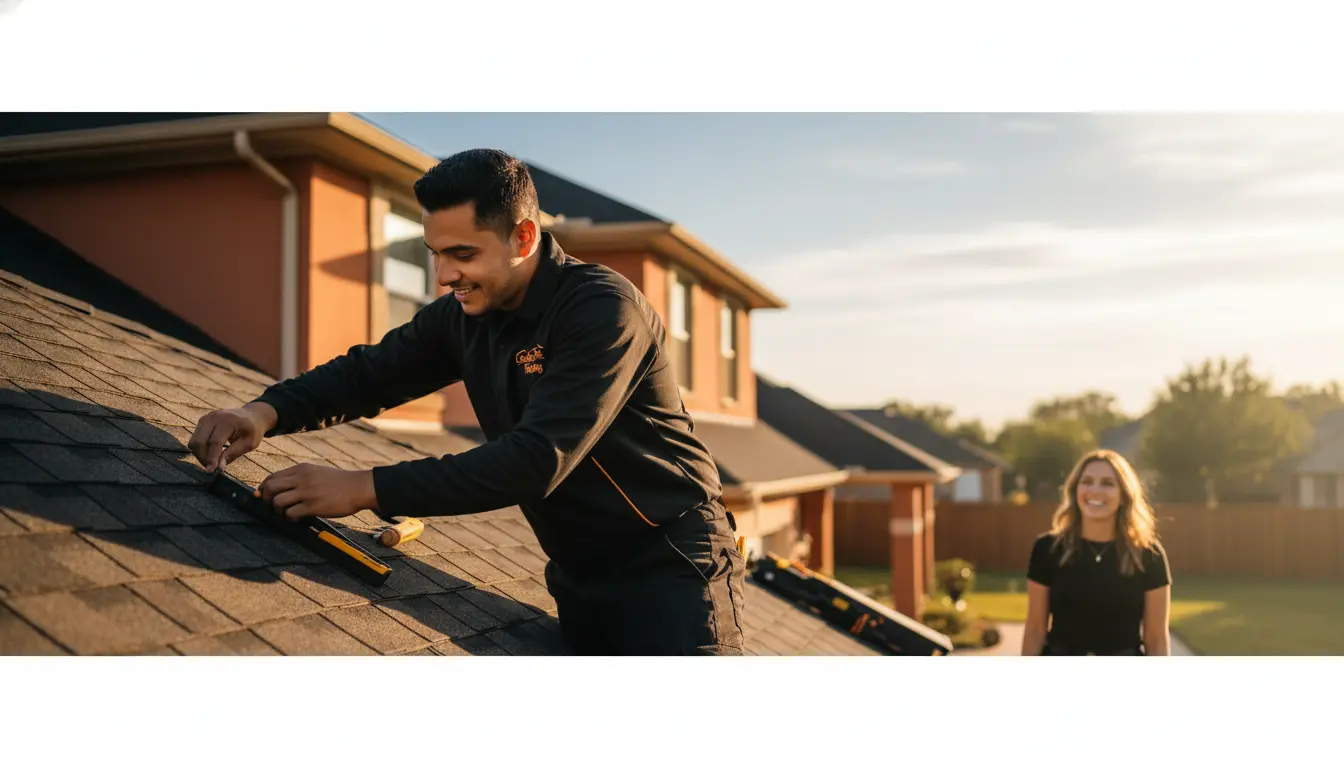
Living in Galena Park, with its humid climate and frequent storms rolling in from the Gulf, means your roof takes a beating year-round. Imagine waking up to water dripping from your ceiling after a heavy rain—it’s a homeowner’s nightmare that can lead to costly damage if ignored. At Galena Park Roofing, we’ve helped countless residents in our community identify and resolve these issues before they escalate. In this guide, we’ll walk you through how to spot roof leaks early, perform safe temporary fixes, and know when to call in the pros. Whether your home is a cozy bungalow near the ship channel or a family residence in the heart of Galena Park, protecting your roof is essential for peace of mind.
Understanding Roof Leaks: Why They Happen in Galena Park
Roof leaks aren’t just random occurrences; they’re often the result of wear and tear exacerbated by our local environment. Galena Park’s proximity to industrial areas and the Gulf Coast means roofs face high humidity, intense UV exposure, and sudden downpours that test even the sturdiest materials.
Common Causes of Roof Leaks
One of the top culprits is aging shingles. In Galena Park, asphalt shingles are popular due to their affordability, but they degrade faster under our subtropical sun. Cracks or missing granules can allow water to seep in. Another frequent issue is poor flashing around chimneys or vents—metal pieces that seal joints but corrode quickly in our salty air.
Tree branches overhanging your roof can also cause problems, especially during windy Gulf storms. If debris accumulates, it clogs valleys where water flows, leading to backups. And don’t overlook the role of improper installation; if your roof was put on during a rushed job, gaps might appear sooner than expected.
For homes near the Houston Ship Channel, industrial pollutants can accelerate material breakdown, making regular inspections crucial. At Galena Park Roofing, we’ve seen how these factors combine to create leaks that, if caught early, are straightforward to fix.
Spotting the Signs: Early Detection Saves Your Galena Park Home
Catching a leak before it causes interior damage is key. Start with a visual inspection after rain, but safety first—use a sturdy ladder and avoid climbing on wet surfaces.
Visible Exterior Indicators
Look for dark streaks or stains on your roof’s surface; these are often algae or moss growth signaling moisture retention. In Galena Park’s wet seasons, check for curled or buckling shingles, which lift and expose the underlayment. Pay special attention to areas around skylights or solar panels, common in local residences for energy efficiency.
Sagging sections could indicate structural issues from prolonged water weight. If you notice granules in your gutters—those gritty bits from shingle wear—it’s a red flag for impending leaks.
Interior Warning Signs
Indoors, yellow or brown stains on ceilings and walls are classic leak evidence. Musty odors or peeling paint in attics point to hidden moisture. In Galena Park homes built in the mid-20th century, older insulation absorbs water quickly, leading to mold growth that’s hazardous to health.
Listen for dripping sounds during rain, and check for warped floorboards near exterior walls. If your energy bills spike unexpectedly, it might be due to poor insulation from water damage—another reason to act fast.
DIY Fixes: Temporary Solutions for Galena Park Homeowners
While professional help is ideal, you can handle minor leaks temporarily to buy time. Remember, these are stopgaps; for lasting repairs, consult experts.
Step-by-Step Temporary Repair Guide
-
Locate the Leak: From your attic, shine a flashlight during daylight to trace water paths. Mark the spot with tape.
-
Clean the Area: Remove debris like leaves or branches. In Galena Park, hurricane season debris is common, so gutter cleaning services can prevent future clogs.
-
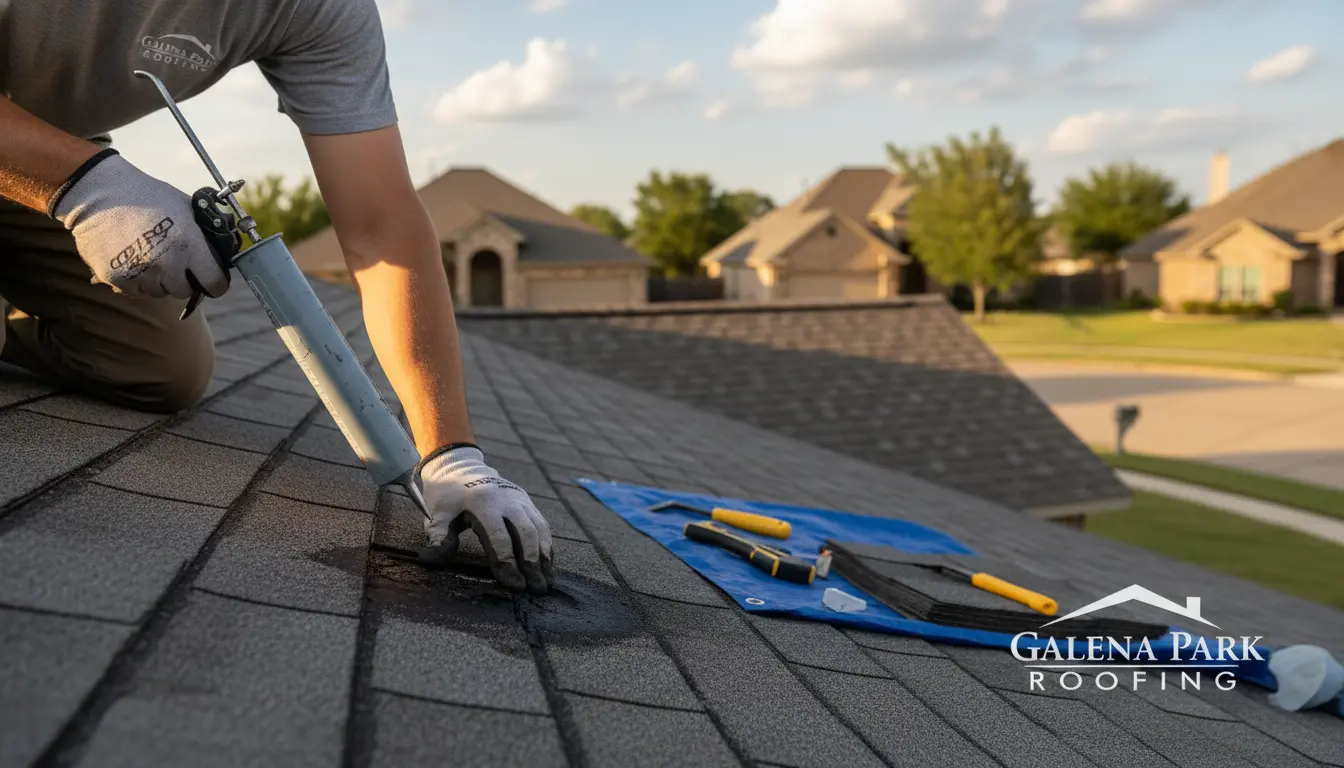
Apply Sealant: For small cracks, use a high-quality roofing sealant or silicone caulk. For shingle gaps, lift the shingle gently, apply roofing cement underneath, and press down. Avoid asphalt-based products in our humid climate as they dry out quickly.
-
Patch Larger Holes: Cut a piece of roofing fabric or aluminum flashing larger than the damage, coat with sealant, and press it over the area. Secure with roofing nails if needed.
-
Interior Protection: Place buckets under drips and move furniture. Use plastic sheeting to cover ceilings if stains appear.
These steps work well for minor issues, but if your roof has tile roofing—popular in some Galena Park neighborhoods for durability—handle with extra care to avoid cracking the tiles.
When to Call in the Professionals: Expert Roof Repair in Galena Park
DIY isn’t always enough, especially after severe weather. If you spot extensive damage or suspect underlying issues like rot, it’s time for pros. In Galena Park, where storms can mimic hurricane force, waiting can lead to bigger problems.
Our team at Galena Park Roofing specializes in thorough assessments. We use drones for safe inspections and infrared cameras to detect hidden moisture. For storm damage repair, we handle everything from insurance claims to full restorations, ensuring your home stays secure.
Serving not just Galena Park but nearby areas like Pasadena and Channelview, we’re your local experts. If your leak stems from commercial roofing needs—perhaps for a small business near the channel—check our commercial roofing solutions.
Prevention Strategies: Keeping Leaks at Bay in Our Local Climate
Prevention is better than cure, especially in Galena Park’s unpredictable weather. Start with annual inspections; schedule one post-hurricane season.
Proactive Maintenance Tips
Trim overhanging trees to reduce debris and branch damage. Ensure proper attic ventilation to combat humidity—fans or ridge vents help. In our area, opt for impact-resistant shingles to withstand hail from Gulf storms.
Regularly clean gutters to maintain water flow; neglected ones cause overflows that erode roof edges. For older homes in Jacinto City or Deer Park, consider upgrading to metal roofing for longevity.
Invest in quality underlayment during any roof repair to add an extra barrier. And always monitor for pests; termites in damp areas can weaken structures.
By staying vigilant, Galena Park residents can extend their roofs’ life and avoid emergency calls.
FAQ: Common Questions About Roof Leaks in Galena Park
How often should I inspect my roof in Galena Park?
Twice a year—spring and fall—plus after major storms. Our humid climate accelerates wear, so early detection is vital.
Can I fix a roof leak myself, or do I need a professional?
Minor patches are DIY-friendly, but for safety and durability, hire experts like Galena Park Roofing, especially on steep pitches common in local homes.
What if my leak is from storm damage?
Contact your insurer immediately. We assist with claims and provide storm damage repair to restore your roof quickly.
How much does roof leak repair cost in Galena Park?
It varies from $150 for small fixes to $5,000+ for extensive work. Factors include damage size and material; get a free quote from us.
Is mold a concern after a roof leak?
Yes, especially in our humid area. Address leaks promptly to prevent health risks; we offer full remediation alongside repairs.
Conclusion: Protect Your Galena Park Home Today
Roof leaks can disrupt your life, but with the right knowledge, you can spot and address them effectively. From understanding local causes to implementing prevention, you’re now equipped to safeguard your residence. However, for complex issues or peace of mind, trust the experts at Galena Park Roofing. We’ve been serving our community for years, delivering reliable roof repair tailored to Galena Park’s unique challenges.
Don’t wait for the next storm—contact Galena Park Roofing today for a free inspection. Your home deserves the best protection against leaks and beyond.